Carbon materials have long been an essential resource, playing key roles in industry, agriculture, and environmental protection. With technological advances, the types and uses of carbon products have become increasingly diverse. Different carbon materials demonstrate unique value in their respective applications. This article explores the differences in application focus between biochar and charcoal, helping readers understand their roles in modern life and industry.
Similarities in Production Processes
Although biochar and charcoal serve different purposes, their production processes share a common feature: pyrolysis. This process decomposes organic material at high temperatures without complete combustion, producing solid carbon, oils, and gas by-products. Commonly used equipment includes biochar machine and charcoal machine. While both use similar technology, design and operational adjustments are made depending on the intended end product.
Agricultural Applications of Biochar
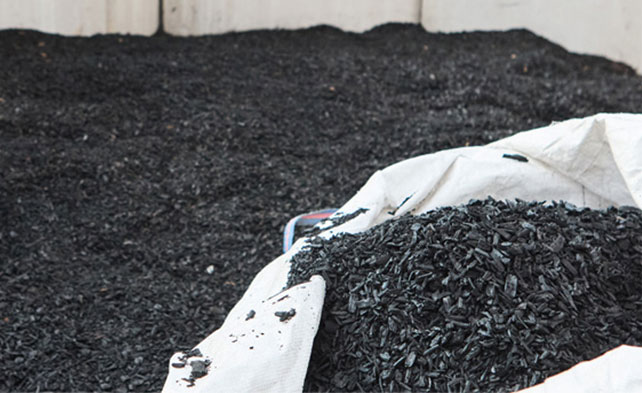
Biochar is primarily used in agriculture and soil improvement. Its porous structure efficiently retains water and nutrients, improving soil fertility and moisture capacity. It can also adjust soil pH and stimulate microbial activity, enhancing crop growth. Modern agriculture benefits from biochar not only through higher crop yields but also by reducing the need for chemical fertilizers, minimizing environmental impact. Moreover, biochar plays a role in carbon sequestration and greenhouse gas reduction.
Energy and Industrial Applications of Charcoal
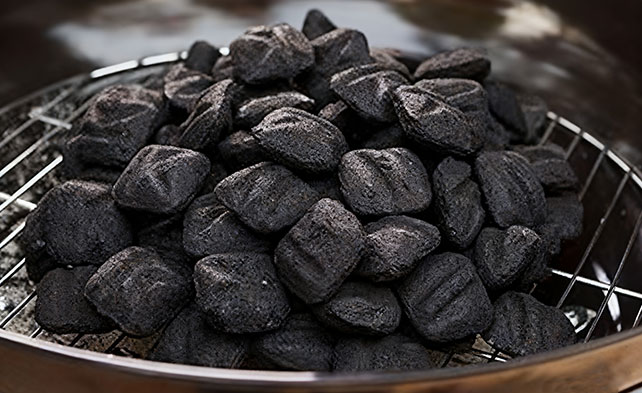
In contrast, charcoal is commonly used as an energy source and in industrial processes. Its high calorific value and stable burning properties make it ideal for cooking, metal smelting, and heating. In industrial contexts, charcoal can be used in metallurgy, chemical processing, and the production of activated carbon. Additionally, charcoal can be processed into briquettes using a charcoal briquette machine, making it easier to store, transport, and use efficiently.
Environmental Focus Differences
Environmental considerations also differ between biochar and charcoal. Biochar helps store carbon in soil, contributing to carbon reduction and ecological restoration. Charcoal, while providing energy, can generate smoke and CO2 emissions if not managed properly. Modern charcoal production emphasizes low emissions and high energy efficiency. Companies like Beston Group offer advanced solutions to ensure sustainable production of carbon materials.
Product Forms and Market Demands
Product form is another key difference. Biochar is typically available as granular or powdered material, convenient for soil incorporation. Charcoal is often sold as blocks or briquettes, suitable for direct burning or industrial use. Consequently, market demand varies: agriculture and horticulture drive the growth of biochar, while energy and industry remain the main consumers of charcoal. This drives manufacturers to adopt different product development and marketing strategies.
Future Development Trends
Looking ahead, the applications of biochar and charcoal will become more specialized. Biochar is expected to expand in precision agriculture, wastewater treatment, and ecological restoration, while charcoal will continue to develop in clean energy and high-value industrial materials. Production equipment will evolve towards smarter, more energy-efficient, and eco-friendly designs. Selecting the right equipment, such as a biochar machine or a charcoal machine, directly impacts production efficiency and product quality.
In conclusion, although both biochar and charcoal are produced from pyrolyzing organic materials, their applications focus on different areas. Understanding these differences helps consumers and businesses make informed choices in agriculture, industry, and environmental protection while promoting sustainable development of carbon products.