The world of carbon credits and environmental sustainability is evolving rapidly. One of the fascinating ways to participate in reducing global carbon emissions is through the conversion of agricultural waste, such as straw, into biochar. This process not only benefits the environment but also opens opportunities for businesses and individuals to participate in carbon credit trading. In this article, we will explore how the transformation of straw into biochar can play a role in the carbon credit market, and the equipment involved in the process.
The Conversion Process: Straw to Biochar
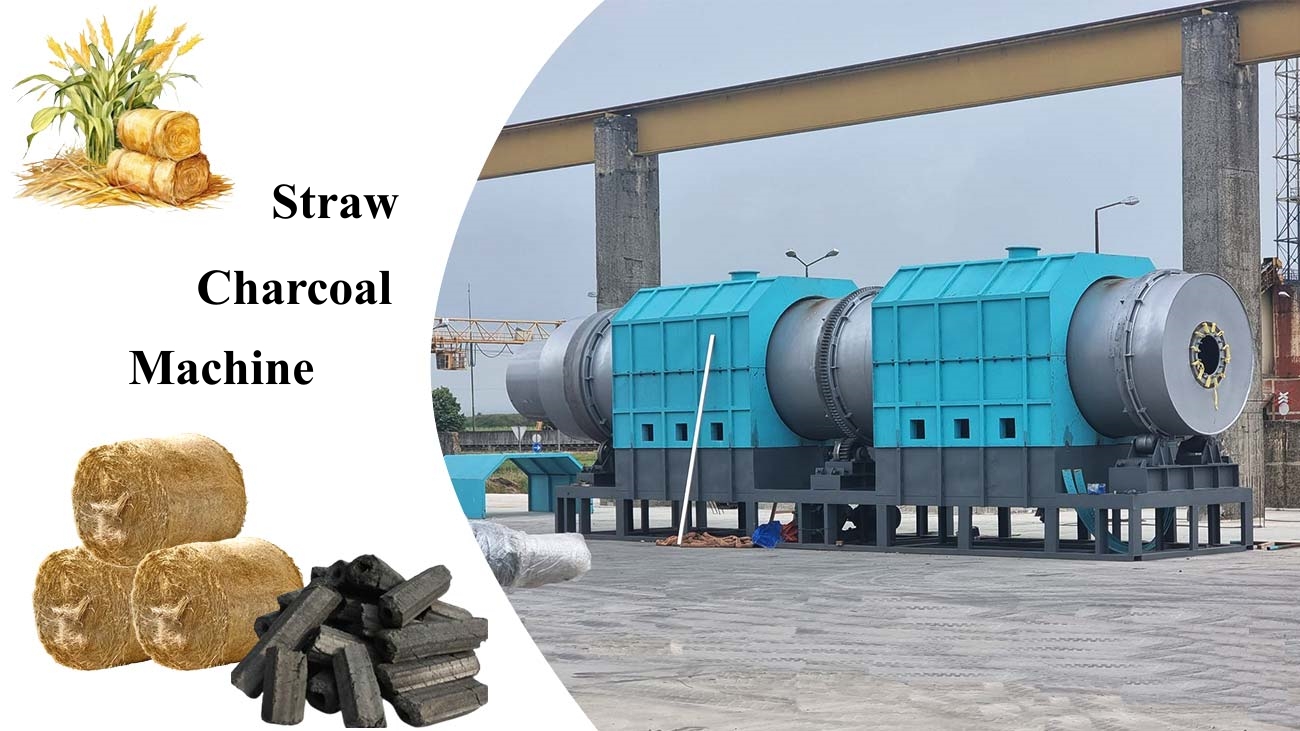
Biochar is a carbon-rich product created by heating organic material in a controlled process known as pyrolysis. One of the most common materials used to create biochar is agricultural waste, such as straw. Straw is a byproduct of crops like wheat, rice, and barley, and its use in biochar production helps reduce agricultural waste while simultaneously contributing to carbon sequestration. The first step in this process involves using a straw charcoal machine to convert the straw into charcoal through pyrolysis. This machine operates at high temperatures in an oxygen-deprived environment, breaking down the straw into biochar.
The Role of Biochar in Carbon Sequestration
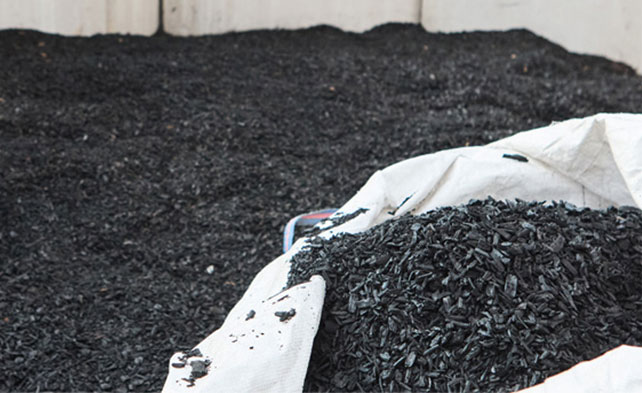
Biochar is more than just a form of charcoal. Due to its stable structure, biochar can trap carbon for hundreds to thousands of years when applied to the soil, helping to mitigate climate change. This characteristic makes it a valuable tool in the battle against rising global temperatures. The use of biochar is often considered one of the most effective methods for long-term carbon sequestration. Once the straw has been converted into biochar using advanced biochar pyrolysis equipment, it can be utilized in various ways, including in agricultural soil to improve fertility and reduce the need for chemical fertilizers.
Trading Carbon Credits: How Biochar Comes Into Play
When it comes to trading carbon credits, businesses and organizations that produce biochar can earn credits for the carbon they sequester in the biochar. These carbon credits are tradable commodities that can be sold to companies or individuals seeking to offset their own carbon emissions. By converting agricultural waste like straw into biochar, companies contribute to a reduction in the overall amount of carbon dioxide in the atmosphere. The process of earning carbon credits involves careful monitoring and reporting to ensure the biochar’s carbon storage benefits are accurately accounted for. With the help of systems like the biochar making machine, companies can effectively track and manage their production to ensure compliance with carbon credit standards.
The Importance of Investing in the Right Equipment
To ensure efficient and effective production of biochar, it is essential to invest in the right equipment. Modern pyrolysis systems, such as those offered by biochar production equipment manufacturers, provide high yields of biochar while minimizing environmental impact. Using the correct equipment also ensures that the biochar produced is of high quality, capable of sequestering carbon over long periods. Investing in advanced pyrolysis technology not only benefits the environment but also enables producers to participate in carbon credit markets, creating a revenue stream from sustainable practices.
Conclusion: A Sustainable Future Powered by Biochar and Carbon Credits
The process of converting straw into biochar offers an innovative solution to agricultural waste management, soil health improvement, and carbon sequestration. Through the use of specialized equipment like straw charcoal machines and biochar pyrolysis systems, businesses can contribute to the environment and potentially earn carbon credits. The growth of the carbon credit market provides an opportunity for individuals and organizations to be financially rewarded for their efforts in reducing carbon emissions. As the world continues to focus on sustainability and climate change mitigation, the role of biochar and its production processes will undoubtedly play a key role in a more sustainable future. More in Beston Group.